


FOUNDATION DEGREE IN TECHNICAL THEATRE & STAGE MANAGEMENT

PROGRAMME DETAILS
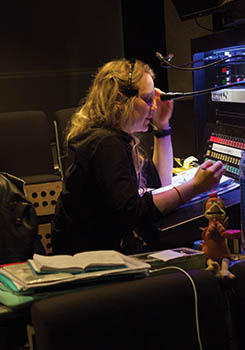
RADA’s two-year Foundation Degree in Technical Theatre and Stage Management (TTSM) offers a broad, practical training in all the areas that contribute to a theatre production, with the opportunity to specialise in your second year in the area you wish to take into a long-term successful career. Many Foundation Degree graduates go on to pursue successful careers in stage management, and you can also choose from the varied and fascinating technical career options: lighting, sound, props, scenic art, construction, costume, technical and production management.
This is a practical, conservatoire-level programme, and is validated by King’s College London. Please note that the programme is undergoing revalidation by King’s in 2017-18, with the revalidated programme planned to start from September 2018.
Your training will be vocational and practical, focusing on preparing you for work in the industry. Career guidance and professional development sessions are given throughout the programme. In your second year, you will have the opportunity to specialise in the vocational area that interests you, choosing from stage management, lighting, construction, sound, property making, scenic art or costume.
You will also undertake a professional placement in your second year for up to six weeks with a theatre company, organisation or practitioner.
Rich and diverse in its scope and facilities, our TTSM programme combines in-depth technical instruction with a clear insight into the organisational, managerial and collective skills which form the core of successful work in theatre and other areas of the entertainment industry, for example film, radio, television, conferences, events and other commercial ventures.
We encourage clear personal development, considered reflective practice and strong individual growth because these are the skills that will support you through a complex, high-pressured and rewarding career.
From the outset, you will work on RADA public productions as crew and/or operator. These productions are directed by professionals and usually involve professional designers. In your second year you will work alongside them in more senior roles, for example: stage manager, deputy stage manager, assistant stage manager, production electrician, head of construction, wardrobe supervisor, scenic artist, assistant production manager or property maker.
The Foundation Degree in Technical Theatre and Stage Management covers the following areas:
- Stage management
- Stage electrics/lighting design
- Sound
- Scenic art
- Scenic construction
- Property making and procurement
- Costume
- Set design
- Stagecraft
- Alternative theatre production
- Digital technology
- Projection and the manipulation of digital imagery
- Production management
- Technical and creative film roles eg script supervisor, first assistant director, location manager
- First aid certification
- Health and safety in the workplace
- Technical drawing
- Music score reading
- History of theatre
- Company management
Our students learn by doing. During the first year, you combine rotational teaching in each of the different disciplines with work on a production. You cycle through the areas over each half term (six rotations in total). You will also receive ongoing training in stage management through classwork, some project work (for example in design) and theatre history lectures.
You will also have the opportunity to develop your skills by undertaking project work in your chosen skill areas such as: property making, costume making, scenic art, scenic construction; by taking part in projects based on alternative theatre styles and digital production processes; or by working on one of the six short films or radio recordings we make during the year.
SECOND YEAR
In the second year, you will specialise in a chosen area and work exclusively through productions or project work, as well as completing an industry placement.
Students are assessed through their practice. We include a ‘self-assessment’ where you reflect on your work in that rotation, but all assessment is practical. You will also complete a portfolio in relation to your work.
Students will be working for a minimum of 35 hours per week. During production periods, this will be extended into weekends and evenings.
Prospectus
View a full copy of our current PROSPECTUS
Email: This email address is being protected from spambots. You need JavaScript enabled to view it.